Blog details
2026-03-27
Hedge Trimming Auckland: How to Keep Hedges Perfectly Shaped
What Is Hedge Trimming — and Why Auckland Homes Need It More Than Most
If you live in Auckland, you already know how fast everything grows. The combination of mild winters, high humidity, and regular rainfall creates ideal conditions for lush green hedges — but that same climate means your hedges can go from neatly shaped to wildly overgrown in a matter of weeks.
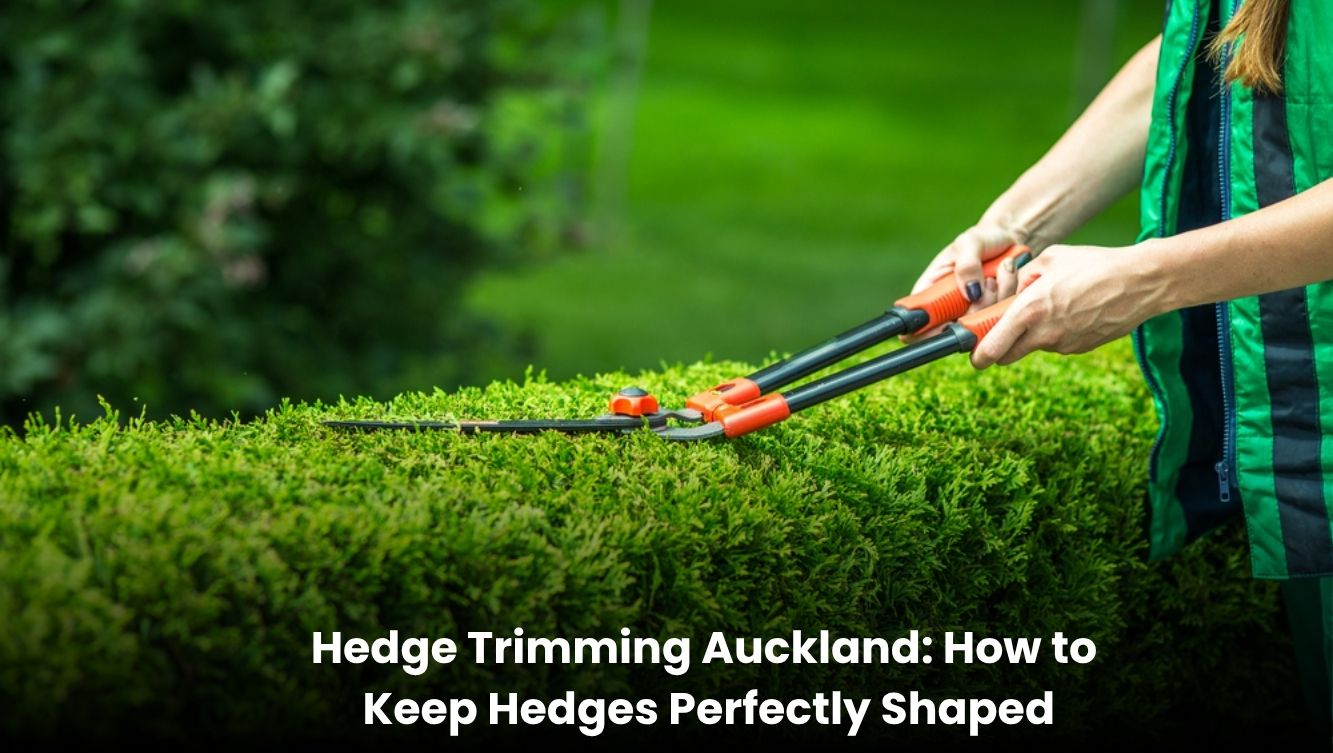
Hedge trimming is the process of cutting and shaping hedge plants to maintain a defined size, form, and boundary. It goes beyond a quick snip here and there — done correctly, it determines the long-term health of your hedge, the privacy it provides, and the overall curb appeal of your property.
Whether you live in Grey Lynn, Ponsonby, North Shore, or West Auckland, a well-maintained hedge is one of the most visible and valuable features of your home. In this guide, Lawn Masters Auckland walks you through everything you need to know — from the best time to trim, to species-specific advice, to when it is time to call in the professionals.
7 Real Benefits of Keeping Hedges Perfectly Shaped
Most homeowners think of hedge trimming as purely cosmetic. In reality, it delivers a wide range of benefits that affect your property's value, your family's privacy, and the long-term health of the plants themselves.
- Kerb appeal and first impressions — A neatly trimmed hedge instantly lifts the appearance of your home. It signals care and pride of ownership, which matters enormously if you ever plan to sell.
- Privacy and noise reduction — Thick, well-shaped hedges act as a natural screen from the street and neighbours. A full boundary hedge can reduce road noise by up to 50% in busy Auckland suburbs.
- Property value — Studies consistently show that well-maintained gardens add 5–15% to residential property values. Hedges form a large part of that visual impact.
- Boundary definition — Hedges make your property boundaries clear, reducing disputes with neighbours and helping define outdoor living areas.
- Wildlife habitat — Healthy hedges provide nesting spots for birds and habitat for beneficial insects, supporting Auckland's urban biodiversity.
- Plant health — Regular trimming removes dead wood and diseased growth, improves air circulation through the canopy, and encourages denser, stronger new growth.
- Safety and compliance — Overgrown hedges can block sightlines at driveways and footpaths. Auckland Council has rules about vegetation encroaching on public spaces, and keeping hedges in check avoids potential fines or disputes.
Auckland Seasonal Trimming Calendar: Exactly When to Trim Your Hedge
One of the most common questions we get at Lawn Masters is: when is the best time to trim hedges in Auckland? Because Auckland's seasons are milder than most of New Zealand, the answer is slightly different from advice you might read in a general NZ gardening guide.
Here is a simple seasonal guide to keep your hedges looking their best all year round:
|
Season |
Months (NZ) |
Frequency |
Key Task |
|
Summer |
Dec – Feb |
Every 4–6 wks |
Shape & tidy fast growth |
|
Autumn |
Mar – May |
Once or twice |
Final shaping before winter |
|
Winter |
Jun – Aug |
Minimal |
Light tidy only, avoid frost |
|
Spring |
Sep – Nov |
Every 4–6 wks |
Hard trim to reset shape |
One important Auckland-specific note: even in winter, the city rarely gets hard frosts. This means you can carry out light tidying year-round, unlike colder parts of New Zealand where trimming in winter can damage new growth exposed to frost. However, always avoid trimming immediately before a predicted cold snap, particularly in elevated suburbs like Titirangi or the Waitakere Ranges foothills.
Auckland's Most Popular Hedge Plants — and How to Trim Each One
Not all hedges are the same, and one of the biggest mistakes homeowners make is applying generic trimming advice to the wrong plant. Here is a guide to the most common hedge species found across Auckland properties, and exactly how to handle each one.
Buxus (Box Hedge)
Buxus is the classic formal hedge found throughout Auckland's older suburbs like Remuera and Epsom. It responds beautifully to clipping and can be shaped into sharp geometric forms. Trim two to three times per year — spring, midsummer, and early autumn. Use sharp hand shears for small Buxus or electric hedgers for longer runs. Watch for blight (Cylindrocladium buxicola), which causes brown patches and is increasingly common in Auckland's humid summers. Remove and dispose of any infected material immediately.
Pittosporum
New Zealand's own Pittosporum is one of the toughest and most forgiving hedge plants in Auckland gardens. It handles coastal conditions well, making it popular in suburbs like Takapuna, Mission Bay, and Devonport. Trim in spring after flowering, and again in late summer. Pittosporum tolerates hard pruning, which makes it a great choice if your hedge has become overgrown. Give it a strong cut in early spring to restore shape.
Griselinia (Broadleaf)
Griselinia is beloved for its glossy, apple-green leaves and its ability to thrive in Auckland's coastal and windy areas. It is one of the most popular hedge choices on the North Shore and in beach suburbs. Trim twice a year — in spring and late summer. Avoid cutting into old wood, as Griselinia can be slow to regenerate from hard pruning. Light, regular trimming produces the best results.
Photinia (Red Robin)
Photinia is increasingly popular for its dramatic red new growth, which emerges after each trim. Regular cutting — up to three or four times a year — keeps the hedge producing its signature red flush and maintains a dense, formal shape. Photinia performs well across most Auckland suburbs, though it prefers good drainage, so take care in lower-lying West Auckland areas with heavy clay soils.
Camellia
Camellia hedges are common in older Auckland gardens and offer the bonus of stunning flowers in winter and spring. The critical rule with Camellias is to trim immediately after flowering is finished — generally from late October onward. Never trim in autumn or winter, as you will remove the flower buds. A light shaping is usually all that is needed; Camellias do not need heavy cutting to maintain a neat form.
Step-by-Step: How to Trim Your Hedge to a Perfect Shape
Achieving a truly professional-looking result at home requires more than just running a hedger across the top. Follow these steps for perfectly sharp, even results.
1 Gather your tools — You will need sharp hedge shears or a powered hedge trimmer, loppers for thick branches, a tarpaulin or drop sheet to catch clippings, safety glasses, and gloves. Always ensure blades are sharp — blunt blades bruise stems rather than cutting them cleanly, which invites disease.
2 Start with the sides — Always cut the sides of a hedge before the top. Work from the bottom upward in a slight outward angle, keeping the base slightly wider than the top. This 'batter' angle allows light to reach the lower leaves and prevents the base from becoming bare and woody.
3 Use a string line for the top — Hammer two stakes at each end of the hedge and run a taut string line at your desired height. Use this as a guide to ensure the top is perfectly level. Freehand cuts almost always result in an uneven finish.
4 Cut the top in sections — Move along the hedge in manageable sections, using the string line as your reference. For long hedges, check your level frequently.
5 Step back and check — Regularly step back several metres and view the hedge from a distance. What looks even up close can have significant dips and rises when viewed from further away.
6 Clear up thoroughly — Remove all clippings promptly. Leaving cut material on the hedge or at its base encourages fungal disease, particularly in Auckland's humid summer conditions.
7 Water and feed — After a significant trim, give your hedge a deep watering and a slow-release fertilizer. This supports strong regrowth and keeps the plant healthy through the recovery period.
DIY vs Professional Hedge Trimming in Auckland: Honest Cost Comparison
Many Auckland homeowners wonder whether it is worth tackling hedge trimming themselves or calling in a professional service. The honest answer depends on the size and type of your hedge, your available time, and the tools you have access to.
For a small garden hedge under a metre tall and a few metres long, DIY is perfectly manageable with a good pair of hand shears and a free afternoon. However, for the large boundary hedges common in Auckland properties — some running five to ten metres or more, at heights of two metres and above — professional trimming becomes not just a time-saver, but often a safety and quality necessity.
Consider the following: a professional hedge trimming service in Auckland typically costs for a standard residential job, depending on size and access. This includes all equipment, disposal of clippings, and experienced results. Compare this to the cost of hiring or purchasing commercial hedge trimming equipment, the time investment, and the risk of an uneven or damaged result, and the professional option frequently offers better value.
At Lawn Masters, we provide competitive, transparent pricing for hedge trimming across all Auckland suburbs. Contact us for a free, no-obligation quote.
Suburb-by-Suburb Tips: Hedge Trimming Across Auckland's Unique Microclimates
Auckland is not one climate — it is a collection of microclimates, and your suburb makes a real difference to how you should manage your hedges.
Coastal suburbs (Takapuna, Mission Bay, Devonport, St Heliers)
Salt-laden winds cause specific problems for hedges in coastal areas. Choose salt-tolerant species like Pittosporum and Griselinia, and trim more regularly to prevent wind damage to fresh growth. Avoid trimming immediately before forecast strong northerlies.
Central and inner suburbs (Grey Lynn, Ponsonby, Mt Eden, Newmarket)
These suburbs tend to have older, established hedges, often Buxus or Camellia, that may need renovation rather than just maintenance. Watch for Buxus blight in the humid summer months. Tighter spacing between properties means hedge height and overhang can also affect neighbour relations — keep boundaries well-defined.
North Shore (Albany, Birkenhead, Glenfield)
North Shore properties often have larger sections with long boundary hedges. Griselinia and Leyland Cypress are common here. These large hedges are best managed professionally — their height and scale make DIY trimming a safety risk without the right equipment.
West Auckland (Henderson, Titirangi, New Lynn)
Heavy clay soils and higher rainfall make root health critical in the west. Ensure hedges are not sitting in standing water after wet periods.Avoid trimming during the wettest winter months when cut wounds are slower to heal. Titirangi's bush setting also means managing humidity-related fungal issues.
5 Signs Your Auckland Hedge Needs a Professional Right Now
Sometimes a hedge has moved beyond what a weekend DIY session can fix. Here are the warning signs that it is time to call in a professional hedge trimming service.
- Height above 1.8 metres — Working at height without the right equipment is a serious safety risk. Professional services have the ladders, platforms, and experience to work safely and efficiently.
- Uneven or leaning shape — If your hedge has developed significant unevenness or is leaning in one direction, it needs a skilled eye and professional tools to correct without causing plant stress.
- Brown patches or disease — Discolouration, die-back, or patches of dead material need expert diagnosis before trimming. Cutting into diseased wood without the right knowledge can spread the problem.
- Overgrown beyond 30cm of new growth — When a hedge has been left to grow out by more than 30cm from its intended shape, a phased renovation approach is needed. Hard cutting back in one session can shock most species.
- Blocking footpaths, driveways, or sightlines — This is not just a cosmetic issue. Auckland Council has guidelines about vegetation affecting public footpaths and traffic sightlines. A professional can bring the hedge back into compliance safely and efficiently.
FAQs: Hedge Trimming Auckland — Answered by Local Experts
1 How often should I trim my hedge in Auckland?
Most species benefit from two to three trims per year in Auckland. Fast-growing species like Photinia and Leyland Cypress may need four to six trims annually during summer. Slow-growing species like Buxus and Griselinia typically need two trims per year.
2 What is the best time of year to trim hedges in Auckland?
Spring (September to November) and late summer (February to March) are the two best trimming windows for most Auckland hedges. Avoid heavy trimming in mid-winter and immediately after new growth flushes in early spring before the growth has hardened.
3 Do you remove the clippings?
Yes — at Lawn Masters, we always clear and dispose of all clippings as part of our hedge trimming service. Leaving cut material on or around hedges can promote fungal disease in Auckland's humid climate.
4 Are there council rules about hedge height in Auckland?
Auckland Council's district plan includes provisions about vegetation affecting public footpaths and traffic sightlines. If your hedge overhangs a footpath or obscures a driver's sightline at an intersection, you may be required to cut it back. Check Auckland Council's website for specific rules in your zone.
5 Can you trim hedges in winter in Auckland?
Light tidying is fine in Auckland winters as the city rarely experiences hard frosts. Avoid heavy structural trimming between June and August for most species, as slow winter growth means recovery takes much longer. Camellia hedges should definitely not be cut in winter, as this removes the flower buds.
6 How much does hedge trimming cost in Auckland?
Costs vary depending on the size, height, species, and accessibility of your hedge. As a guide, most residential hedge trimming jobs in Auckland range . Lawn Masters offers free on-site quotes with no obligation.
Get a Free Hedge Trimming Quote from Auckland's Local Experts
At Lawn Masters, we have been keeping Auckland gardens looking their best for years. Our experienced team provides professional hedge trimming services across all Auckland suburbs — from the North Shore and West Auckland to Central Auckland, Ponsonby, Grey Lynn, Parnell, Newmarket, and beyond.
Whether you need a one-off tidy-up, a full hedge renovation, or an ongoing maintenance programme, we offer transparent pricing and friendly, reliable service.
