Blog details
2026-10-30
Overgrown Shrubs Taking Over Your Auckland Garden? What to Do Next
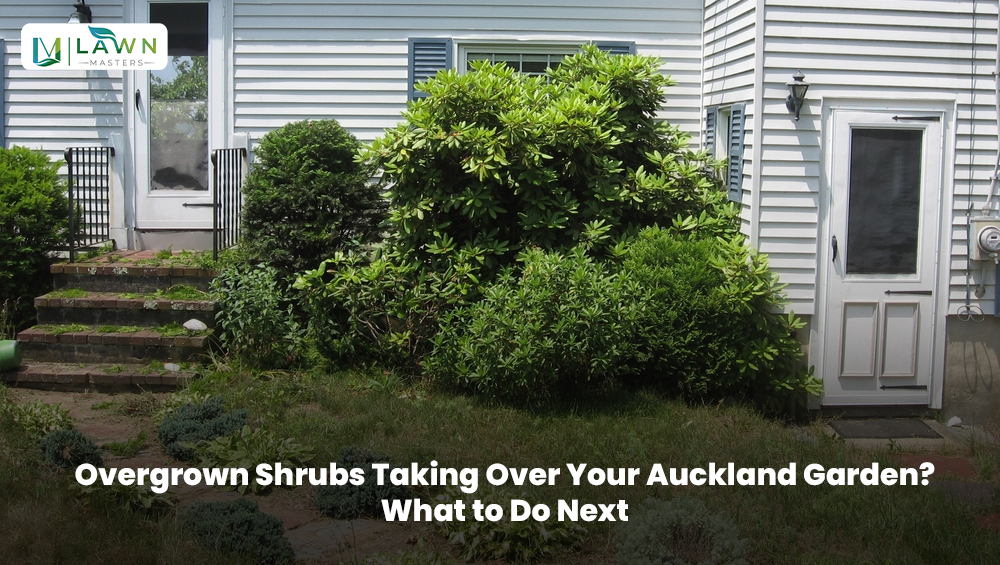
Overgrown shrubs can make even a spacious garden feel cramped. Branches spread across pathways, plants compete for space, and routine maintenance becomes harder to manage. What once looked like a neat garden can gradually become difficult to use.
For Auckland homeowners, landlords, and property managers, the challenge is deciding whether a shrub needs pruning or complete removal. The right choice depends on its condition, size, location, and the plans you have for your outdoor space.
A professional Shrub Removal Service in Auckland can help when an unwanted plant becomes difficult to manage or no longer suits your garden. Before making that decision, it helps to understand the warning signs, available options, and steps involved in preparing the area for future use.
When Has an Overgrown Shrub Become a Problem?
A shrub does not need to look completely unhealthy before you consider removing it. Sometimes, its position or growth pattern creates more problems than the plant itself.
Here are some common signs that your garden may need attention.
1. Shrubs Are Blocking Paths and Access Points
Shrubs growing across walkways, entrances, or driveways can make everyday movement inconvenient. Overhanging branches may also obstruct visibility around entrances and vehicle access points.
Trimming may solve the problem if the plant responds well to pruning. However, removal could be worth considering when the shrub repeatedly grows into the same space.
2. The Plant Has Outgrown Its Location
A shrub planted several years ago may now be too large for its original position. It might crowd a small garden bed, press against a fence, or compete with nearby plants.
Repeatedly cutting it back may not provide a lasting solution. Assessing its mature size and growth pattern can help you decide whether keeping it makes sense.
3. The Shrub Is Struggling to Recover
Dead branches, persistent decline, damaged stems, or poor growth may indicate that a shrub is unhealthy. However, these symptoms do not always mean removal is necessary.
Check whether the plant has received suitable watering, light, and care. If the damage is extensive, seek professional advice before deciding what to do.
4. Your Garden No Longer Meets Your Needs
Your outdoor space may need to change as your household or property requirements evolve.
Perhaps you want to extend the lawn, create room for new plants, improve access, or prepare for landscaping work. Removing a shrub that occupies valuable space can help make those plans possible.
Should You Prune the Shrub or Remove It Completely?
Pruning and removal serve different purposes. Choosing between them depends on whether the plant can remain healthy and manageable in its current location.
|
Situation |
Pruning may be suitable |
Removal may be worth considering |
|
Overgrown branches |
Growth can be reduced without harming the plant |
The shrub repeatedly exceeds its available space |
|
Poor appearance |
The plant is healthy and can recover with care |
Extensive damage makes recovery unlikely |
|
Restricted access |
Trimming can clear the pathway |
The plant continually obstructs access |
|
Garden redesign |
The shrub still fits the new layout |
The shrub occupies space needed for another purpose |
|
Crowded garden beds |
Selective pruning can improve spacing |
The plant prevents the garden layout from working |
Before making a final decision, consider the shrub's condition and the consequences of removing it.
Healthy shrubs may provide privacy, shade, shelter, and habitat for wildlife. If pruning can solve the problem, keeping the plant may be the better option. If it cannot be managed effectively, removal may offer a more practical long-term solution.
What to Check Before Removing Shrubs in Auckland
Removing a shrub involves more than cutting branches. The surrounding garden, underground conditions, and intended use of the space all deserve attention.
Check the Space Around the Plant
Look at the shrub's distance from fences, retaining walls, paving, buildings, and other plants. Established roots can extend beyond the visible canopy, so digging without checking the surroundings may cause damage.
Identify delicate plants that need protection and consider whether branches can be removed without affecting nearby features.
Consider Underground Services
Water pipes, drainage lines, irrigation systems, and other underground services may run close to established shrubs.
Before digging or using machinery, identify any relevant services and arrange appropriate checks where necessary. This is especially important when removing a large shrub or working in a confined area.
Review Access and Working Space
A shrub beside a narrow pathway may be harder to remove than one in an open garden.
Consider how workers will reach the plant, move cut branches, and transport green waste. Limited access may affect the equipment and removal method required.
Check Whether Permission Is Required
Some vegetation is subject to specific protection or planning requirements. The rules can depend on the plant, property, and location.
If you are unsure, check the relevant Auckland Council guidance before removing the shrub. This is particularly important for protected vegetation or plants near areas with additional restrictions.
Taking these precautions before work begins can help avoid unnecessary delays and complications.
How Shrub Removal Can Improve Your Outdoor Space
Removing an unwanted shrub can do more than make a garden look tidier. It can help you use the available space more effectively.
Create room for new planting: Removing an unsuitable plant may open up a garden bed for species that better suit the available light and space.
Improve access: Clearing shrubs from narrow paths or entrances can make the garden easier to navigate.
Simplify maintenance: Fewer plants in awkward locations may mean less repeated trimming and easier access for routine gardening.
Prepare for landscaping: If you plan to install new garden beds, extend a lawn, or change the layout, removal can be an important first step.
Make better use of smaller gardens: In compact Auckland properties, every section of outdoor space matters. Removing an oversized shrub may make room for a more practical layout.
Before removing a plant, think about what you want the space to achieve. A clear plan helps prevent the same area from becoming overcrowded again.
What Happens to the Area After Shrub Removal?
Once the shrub is removed, the exposed ground may need attention before it is ready for another use. The next steps depend on the roots, soil condition, and your landscaping plans.
Deal With the Remaining Roots
Cutting down the visible branches does not necessarily remove the root system. Some shrubs can regrow from remaining roots or stumps, depending on the species.
Discuss the required level of removal before work begins. If you plan to replant in the same spot, explain this so the preparation can suit your next project.
Clear Green Waste
Branches, leaves, stems, and other plant material can leave the garden cluttered after removal.
Confirm whether green waste collection and disposal are included in your quote. This helps you understand what condition the area will be left in when the work is finished.
Prepare the Ground for Its Next Use
The exposed area may need soil levelling, weed management, fresh topsoil, or other preparation.
The right approach depends on your plans. A lawn extension may require different preparation from a new garden bed or decorative feature.
Choose Suitable Replacement Plants
If you intend to replant, consider the mature height and width of each new plant. Think about sunlight, drainage, maintenance requirements, and the space available.
Choosing plants that suit their location can reduce the need for repeated pruning and future removal.
DIY Shrub Removal vs Hiring a Professional
Removing a small shrub can be manageable for someone with suitable gardening experience. Larger, established plants often require more time, physical effort, and careful planning.
|
Factor |
DIY removal |
Professional removal |
|
Equipment |
You arrange suitable tools |
The provider assesses the equipment needed |
|
Time |
Depends on your experience and the shrub's size |
Experienced workers may complete suitable jobs more efficiently |
|
Physical effort |
You handle the cutting, lifting, and clearing |
Much of the physical work is handled by the team |
|
Nearby structures |
You must assess and protect surrounding features |
The provider can plan the work around site conditions |
|
Waste management |
You arrange transport or disposal |
Waste handling may be included, depending on the quote |
If you choose the DIY route, wear suitable protective equipment and check for hazards before starting. Do not attempt work that requires specialist equipment or involves unstable branches, difficult access, or nearby services.
For larger jobs, professional help can reduce the physical burden and make planning easier.
How to Prepare Your Garden for a Shrub Removal Service in Auckland
A little preparation can help the work proceed more smoothly. Before your appointment, consider the following checklist.
- Identify the shrub: Mark the plant you want removed, especially if other shrubs will remain.
- Explain your plans: Tell the provider whether you want to extend the lawn, replant, or redesign the garden.
- Clear movable items: Move pots, outdoor furniture, toys, and garden decorations away from the work area.
- Mention potential hazards: Point out irrigation lines, nearby structures, underground services, and delicate plants.
- Check access: Explain any narrow gates, steps, slopes, or other access limitations.
- Confirm the quote: Ask what the price covers, including cutting, root or stump work, green waste removal, and site clean-up.
- Discuss the finish: Make sure you understand how the area will look after the work and whether further ground preparation is included.
These details help set clear expectations and reduce the chance of misunderstandings.
Choosing a Shrub Removal Team in Auckland
Not every garden removal job has the same requirements. A small shrub beside a garden path presents different challenges from a large, established plant near a fence or building.
When comparing providers, look beyond the initial quote.
Ask about the proposed method. A suitable provider should explain how the shrub will be removed and how nearby plants and structures will be considered.
Confirm what the service includes. Check whether cutting, root removal, green waste disposal, and final clean-up are part of the agreed scope.
Discuss safety and access. Explain the conditions of your property so the provider can assess the work before starting.
Request a clear quote. Understanding what is included makes it easier to compare services fairly.
Consider your wider garden needs. If the removal is part of a larger maintenance project, ask whether related gardening work can also be arranged.
Lawn Masters offers a Shrub Removal Service in Auckland. If an overgrown or unwanted shrub is affecting your garden, you can contact the team to discuss your requirements and request a quote.
Frequently Asked Questions
1. When should I remove an overgrown shrub instead of pruning it?
Consider removal when a shrub repeatedly outgrows its space, has extensive damage, obstructs access, or no longer suits your garden plans. If the plant is healthy and manageable through pruning, removal may not be necessary.
2. Can shrub removal damage nearby plants or garden structures?
It can if the work is not planned carefully. Branches, roots, and equipment may affect nearby plants, fences, paving, or buildings. Assessing the area and choosing a suitable removal method can help reduce these risks.
3. What should I do with the area after a shrub has been removed?
Start by addressing remaining roots and clearing plant waste as required. You can then prepare the soil for lawn, new plants, mulch, or another landscaping feature, depending on the condition of the ground.
4. Do I need permission to remove shrubs on my Auckland property?
Not every shrub requires permission to remove, but some plants and properties may be subject to specific restrictions. Check the relevant Auckland Council rules if the plant's status or your property's requirements are unclear.
5. How can I choose a suitable shrub removal service in Auckland?
Compare the provider's experience with similar jobs, proposed removal method, safety approach, waste disposal arrangements, and written quote. Confirm exactly what work is included before booking.
