Blog details
2026-11-25
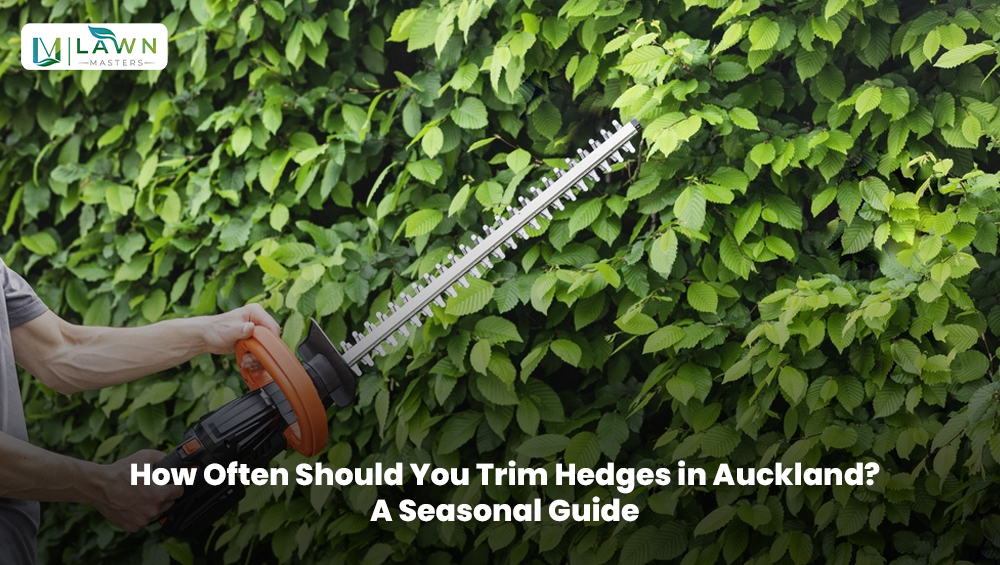
How Often Should You Trim Hedges in Auckland? A Seasonal Guide
A well-maintained hedge can make a garden look organised, private, and welcoming. However, keeping hedges in good condition takes more than occasional cutting. Without regular attention, branches can become overgrown, shapes can become uneven, and plants may lose their natural appearance.
For Auckland homeowners, hedge maintenance can be particularly important during warmer months. Mild conditions and seasonal rainfall can encourage new growth, meaning some hedges need more frequent attention than others.
But how often should you actually trim your hedges? Does every hedge need the same maintenance schedule?
The answer depends on the plant variety, its growth rate, the desired shape, and the condition of your garden. This guide explains when to trim hedges, what to look for each season, and when professional help can make garden maintenance easier.
1. Why Regular Hedge Trimming Matters for Auckland Properties
Hedges do more than create attractive garden boundaries. They provide privacy, define outdoor spaces, and add structure to residential and commercial properties.
However, allowing them to grow without proper maintenance can create several problems.
Keeping Your Garden Neat and Well-Maintained
Overgrown hedges can quickly make an otherwise tidy garden look neglected. Branches may spread across pathways, cover garden features, or block windows.
Regular trimming helps maintain a consistent shape and keeps outdoor spaces looking organised.
Encouraging Healthy Hedge Growth
Removing selected unwanted growth can help maintain a balanced hedge structure. It also allows gardeners to identify damaged, dead, or diseased branches.
However, excessive cutting can stress plants. The right trimming approach depends on the hedge species and its condition.
Improving Privacy and Property Appearance
A dense, properly maintained hedge can provide an effective natural screen.
It can also improve the appearance of front gardens, driveways, outdoor entertaining areas, and commercial properties.
For Auckland homeowners preparing to sell or rent their properties, tidy hedges can contribute to a more attractive first impression.
2. How Auckland's Weather Affects Hedge Growth
Auckland's climate influences how quickly different garden plants grow. Mild winters, humid conditions, and seasonal rainfall can support active growth throughout much of the year.
This means a hedge maintenance schedule should consider local weather conditions rather than following one fixed calendar.
The Impact of Rainfall and Humidity
Regular rainfall supports plant growth, particularly during warmer periods. However, excessive moisture and poor airflow can also create conditions that favour certain fungal problems.
Dense hedges may benefit from appropriate thinning and maintenance to improve airflow.
How Warm Weather Influences Hedge Growth
Spring and summer are often periods of active growth for many common hedge plants.
During these months, branches may extend beyond their intended shape. Fast-growing varieties can require additional attention to prevent them becoming difficult to manage.
Managing Fast-Growing Hedges Throughout the Year
Some hedge varieties grow much faster than others. A hedge that needs trimming twice a year may not suit the same schedule as a rapidly growing privacy screen.
Check your hedges regularly and adjust maintenance according to their growth.
3. When Is the Best Time to Trim Hedges in Auckland?
There is no single ideal trimming month for every hedge. Plant species, flowering periods, nesting birds, and local weather conditions all influence the right timing.
Here is a practical seasonal overview for Auckland gardens.
Hedge Trimming During Spring
Spring is an important period for garden maintenance. Many hedges begin producing fresh growth as temperatures increase.
This is a useful time to:
- Remove damaged or dead branches.
- Correct uneven growth.
- Shape suitable hedge varieties.
- Check for signs of pests or plant disease.
Avoid heavy trimming without considering the plant's flowering cycle and growth stage.
Summer Hedge Maintenance
Summer growth can make hedges look untidy quickly, especially when plants receive enough water.
Light maintenance can help control their shape and prevent branches from extending too far.
During particularly hot or dry periods, avoid aggressive cutting that could place additional stress on plants.
Autumn and Winter Trimming Considerations
Autumn is a good opportunity to review hedge condition and remove unwanted growth where appropriate.
Winter can suit certain structural pruning tasks, depending on the plant species. However, flowering hedges may need different treatment.
Before trimming, check for nesting birds and avoid disturbing active nests.
4. Different Types of Hedges and Their Maintenance Needs
Not every hedge responds to trimming in the same way. Understanding your plant variety helps you choose a suitable maintenance schedule.
Formal and Informal Hedges
Formal hedges are maintained with a defined shape and consistent outline. They often need more frequent light trimming to retain their appearance.
Informal hedges have a more natural growth pattern. They may require selective pruning rather than regular shaping.
Fast-Growing Hedges
Fast-growing varieties can quickly become difficult to manage.
They may need several light trims during active growth periods, depending on their condition and desired size.
Regular maintenance is generally easier than allowing excessive growth to develop before cutting.
Native Hedges and Privacy Screens
Native plants are popular in New Zealand gardens because they can provide attractive greenery and screening.
However, different native species have different pruning requirements.
For example, Pittosporum and Griselinia should not automatically receive the same cutting treatment. Some plants tolerate harder pruning, while others respond better to lighter, more frequent trimming.
Always consider the plant's natural growth habits before cutting.
5. Signs Your Hedges Need Professional Attention
Sometimes, a hedge needs more than a quick tidy-up. Recognising early signs of overgrowth can help prevent larger maintenance problems.
Overgrown Branches and Uneven Shapes
If branches extend beyond the intended boundary, your hedge may need attention.
Uneven tops, wide sides, and irregular growth can also affect the overall appearance of your garden.
Brown Leaves and Poor Growth
Brown patches, thinning sections, and damaged branches may indicate plant stress or other problems.
Trimming alone may not solve the issue. Check for watering problems, pests, disease, and unsuitable growing conditions before removing large sections.
Hedges Blocking Pathways, Windows, or Driveways
Hedges growing across walkways or driveways can make outdoor areas difficult to use.
Overhanging branches may also affect visibility around vehicle entrances.
Professional maintenance can help restore a manageable shape while keeping the surrounding space accessible.
6. DIY Hedge Trimming vs Hiring Professional Gardeners
Small garden hedges can often be maintained with basic gardening equipment. However, larger hedges require more time, suitable tools, and careful handling.
Choosing between DIY maintenance and professional assistance depends on the size and condition of your hedges.
Benefits of Trimming Hedges Yourself
DIY trimming can work well for small, accessible hedges.
It gives homeowners control over their garden maintenance schedule and can be a practical option for simple shaping tasks.
However, make sure your tools are suitable, sharp, and safe to use.
Common DIY Hedge Trimming Mistakes
Some common mistakes can affect the appearance and health of hedges.
These include:
- Cutting too much growth at once.
- Using blunt or unsuitable equipment.
- Trimming plants at the wrong time.
- Creating uneven sides and tops.
- Ignoring damaged branches or plant disease.
- Leaving large amounts of garden waste behind.
Using ladders while operating powered cutting equipment can also create serious safety risks.
Why Professional Hedge Maintenance Can Be Worth It
Professional gardeners can manage larger hedges and more complicated trimming requirements.
They have access to suitable equipment and can help maintain consistent shapes across different sections of a garden.
For busy homeowners and commercial property managers, professional maintenance can also reduce the time spent managing outdoor spaces.
7. What Does a Professional Hedge Trimming Service Include?
A professional service should consider the hedge's size, plant variety, condition, and surrounding garden layout.
The exact work depends on the property and the maintenance required.
Hedge Cutting and Shaping
This involves removing unwanted growth and maintaining the hedge's intended shape.
A suitable approach helps create a consistent appearance without unnecessarily damaging the plant.
Removing Overgrown Branches
Some hedges develop thick or uneven branches over time.
Selective cutting can help bring the plant back under control. Larger branches may require different equipment and pruning techniques.
Garden Cleanup and Green Waste Removal
Trimming can leave branches and leaves across garden beds, lawns, and pathways.
Discuss cleanup and green waste disposal when arranging your service so you know exactly what is included in the quote.
8. How Often Should Residential and Commercial Hedges Be Trimmed?
The right trimming frequency depends on the purpose of the hedge and how quickly it grows.
A decorative hedge may need a different schedule from a tall boundary hedge.
Hedge Maintenance for Residential Properties
Residential hedges often provide privacy and improve garden appearance.
A useful starting point is to inspect them every few weeks during active growth. Actual trimming may only be necessary every few months, depending on the species.
Homeowners should pay particular attention to hedges near entrances, windows, fences, and pathways.
Regular Trimming for Commercial Properties
Commercial properties often need a consistent outdoor appearance.
Overgrown hedges around office entrances, car parks, retail spaces, and walkways can affect the presentation of the property.
A planned maintenance schedule can help property managers avoid last-minute garden work.
Creating a Practical Hedge Maintenance Schedule
Consider these factors when planning your maintenance:
- Plant variety and growth rate.
- Current hedge height and width.
- Desired appearance.
- Seasonal weather conditions.
- Available time for garden maintenance.
A regular inspection schedule makes it easier to identify when trimming is needed.
9. Factors That Affect Hedge Trimming Costs in Auckland
The cost of professional hedge maintenance depends on the amount of work involved. Two properties with similar-looking gardens may have very different trimming requirements.
Understanding the main pricing factors can help you request a more accurate quote.
Hedge Height, Width, and Length
Larger hedges generally require more time and equipment.
Tall boundary hedges and long privacy screens may also involve additional work compared with small decorative hedges.
Accessibility and Garden Conditions
Hedges located behind buildings or near difficult-to-access areas can take longer to maintain.
Uneven ground, obstacles, and limited working space may also affect the job.
Frequency of Maintenance and Waste Removal
Regularly maintained hedges are often easier to manage than heavily overgrown plants.
The amount of green waste and whether disposal is required can also influence the final price.
For an accurate estimate, arrange an assessment of your hedge and explain the work you need completed.
10. Why Choose LawnMasters for Hedge Trimming in Auckland?
Keeping hedges in good condition takes regular attention, suitable equipment, and an understanding of different plant varieties.
LawnMasters provides trimming, pruning, and hedging services for Auckland properties, with options for one-time work and ongoing maintenance.
Professional Garden Maintenance
LawnMasters can assist with trimming and caring for different garden features, including shrubs, small trees, border hedges, and feature hedges.
The service can be arranged according to your property's maintenance requirements.
Residential and Commercial Gardening Solutions
Different properties need different levels of garden care.
Whether you have a small residential garden or a larger outdoor area, the right maintenance plan can help keep hedges manageable.
Reliable Hedge Care for Auckland Properties
From occasional trimming to regular shrub maintenance, LawnMasters offers services designed around your garden's needs.
If your hedges are becoming difficult to manage, the team can discuss suitable maintenance options.
Visit the LawnMasters trimming, pruning, and hedging service page to learn more.
11. Frequently Asked Questions About Hedge Trimming in Auckland
1 How Much Does Hedge Trimming Cost in Auckland?
Hedge trimming costs depend on the plant's height, length, thickness, and accessibility. The amount of green waste and disposal requirements can also affect pricing. Requesting a property assessment is a practical way to understand the work involved and receive an accurate quote.
2 How Often Should Hedges Be Trimmed?
Many garden hedges need trimming two to three times a year. However, fast-growing varieties may need more frequent attention. Slow-growing plants may require less maintenance. The best schedule depends on the plant species, season, and appearance you want to maintain.
3 What Is the Best Month to Trim Hedges in New Zealand?
The best month depends on the hedge variety. Spring and late summer are suitable periods for many routine maintenance tasks. However, flowering plants may need trimming immediately after flowering. Always check the plant's specific requirements before carrying out major pruning.
4 Can Professional Gardeners Trim Tall Hedges?
Yes, professional gardeners can assist with many tall hedge maintenance jobs. The equipment and approach depend on the hedge's height, location, and surrounding conditions. Larger or difficult jobs may require specialised equipment and additional safety precautions.
