Blog details
2026-02-11
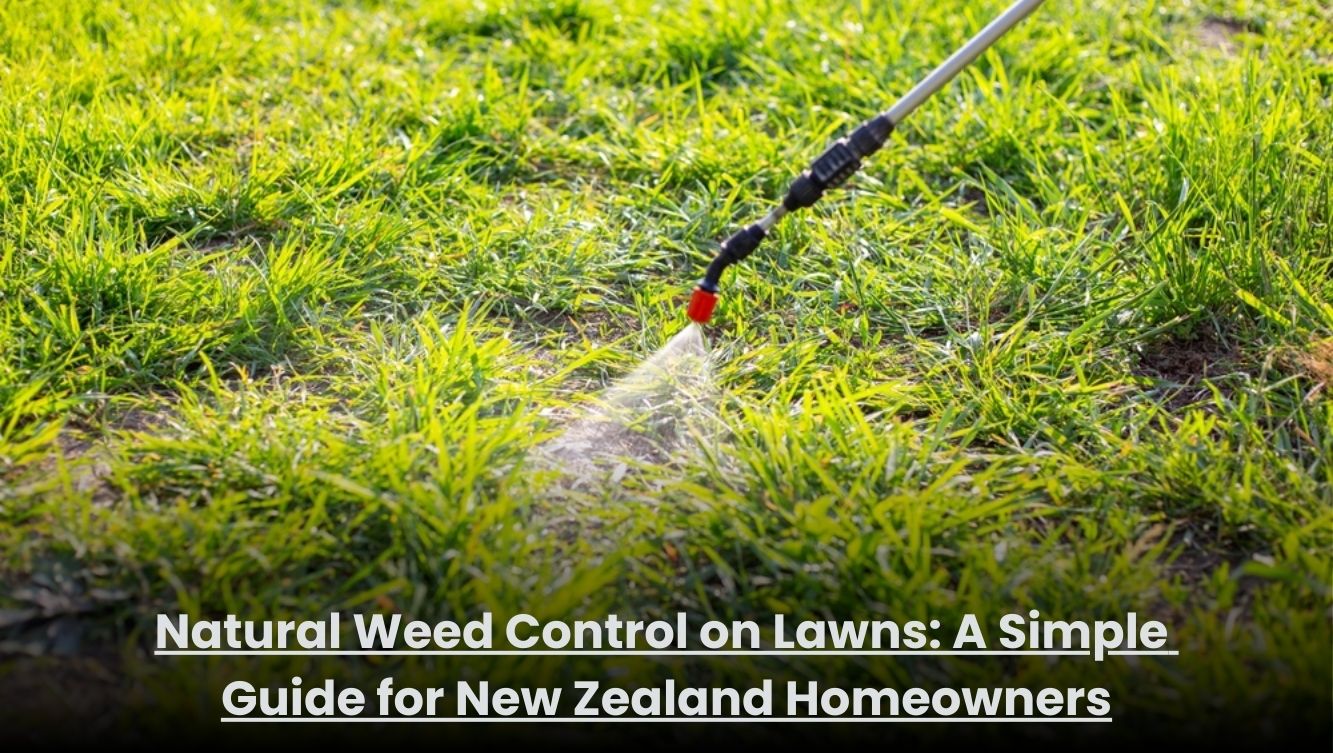
Natural Weed Control on Lawns: A Simple Guide for New Zealand Homeowners
A green and tidy lawn makes any home feel welcoming. It gives families a space to relax, children a safe area to play, and improves the overall look of a property. But weeds can quickly take over if they are not managed early. They compete with grass for water, sunlight, and nutrients, making lawns weak and patchy.
Many homeowners in New Zealand prefer natural and safe ways to manage weeds before using stronger treatments. Natural weed control focuses on simple techniques that protect the environment and keep lawns healthy. At the same time, professional weed control services remain a reliable option when weeds become difficult to manage.
This guide explains natural weed control ideas, practical tips for lawn care, and the benefits of hiring a weed control service to keep your outdoor space in great condition.
Why Weed Control Matters for Your Lawn
Weeds are more than just an eyesore. They compete directly with grass for soil nutrients, water, and sunlight. When weeds dominate, healthy grass struggles to grow thicker and stronger.
Removing weeds allows turf to develop deeper roots and better coverage. This helps the lawn resist drought stress and maintain long-term health.
Professional weed management also supports lawn growth by preventing weeds from overshadowing grass and limiting access to essential resources.
In short, proper weed control:
- Improves lawn appearance
- Supports stronger grass growth
- Reduces pests and disease risks
- Creates a safe outdoor environment
Common Natural Weed Control Methods
Natural weed control on lawns uses environmentally friendly techniques to reduce weed growth without harsh chemicals. Many of these methods can be used around homes and gardens.
Mulching
Spreading organic materials like bark or wood chips blocks sunlight and prevents weed growth. It also keeps soil from drying out and improves soil quality.
Hand Removal
Pulling weeds manually can be effective for small areas. Regular removal stops them from spreading and reduces regrowth.
Boiling Water or Vinegar
Simple home solutions such as pouring boiling water on weeds or applying vinegar-based treatments can kill surface weeds, though repeat application may be needed.
Smothering or Solarizing
Covering soil with mulch, cardboard, or plastic can block sunlight and prevent germination.
Mechanical or Flame Weeding
Chemical-free techniques such as flame weeding or soil disturbance can destroy young weeds and are used by growers in New Zealand in certain conditions.
Natural solutions reduce environmental risks and are suitable for families and pets, although they may require patience and repeated effort.
Practical Weed Control Tips for Lawns
Alongside natural methods, good lawn habits help reduce weed growth over time.
- Keep grass thick by proper watering and mowing
- Fill bare patches through overseeding
- Add nutrients to strengthen turf
- Monitor weeds early before they spread
Healthy turf naturally prevents weeds because dense grass limits available space for them to grow.
Spot treatments and regular monitoring are effective strategies to prevent outbreaks and maintain lawn quality.
Consistency is the key — weed control is not a one-time job but an ongoing process throughout the seasons.
Challenges of DIY Weed Control
Managing weeds yourself can work for small lawns, but it often becomes time-consuming. Some challenges homeowners face include:
- Identifying different weed types
- Choosing safe and effective treatments
- Applying products at the right time
- Avoiding damage to healthy grass
Many store-bought solutions provide limited results, especially against aggressive weeds. Professional programs often outperform DIY treatments because they use targeted methods and timing strategies.
Natural methods also require persistence, as they may not be as strong as chemical treatments and need repeated effort.
Benefits of Hiring a Weed Control Service
For busy homeowners, professional weed control offers practical advantages.
Expert Knowledge
Professionals identify weeds accurately and apply suitable treatments, ensuring effective management.
Safe and Effective Products
Specialized products and eco-friendly solutions are available that are not typically accessible to homeowners.
Time Saving
Hiring experts frees up your weekends while ensuring regular maintenance and monitoring.
Cost Efficiency
Effective treatment prevents long-term lawn damage and reduces spending on ineffective DIY solutions.
Long-Term Lawn Health
Weed removal allows grass to thrive, resulting in thicker, more resilient turf.
Customized Plans
Each lawn is different, and professionals tailor treatment plans based on soil, climate, and lawn type.
Services often include ongoing monitoring and seasonal reassessments to catch issues early.
Creating a Healthier Lawn Year-Round
Combining natural weed control with professional care produces the best results. Simple steps homeowners can follow include
:
- Regular mowing and watering
- Seasonal inspections
- Early weed removal
- Soil care and fertilising
These actions encourage dense turf growth that naturally reduces weed invasion over time.
Professional assistance adds consistency and technical knowledge, helping homeowners maintain attractive lawns without stress.
Conclusion
Natural weed control provides a safe and environmentally friendly starting point for maintaining lawns in New Zealand. Methods such as mulching, manual removal, and natural treatments can reduce weed growth and support soil health.
Yet weed control is a continuous task that requires time, patience, and knowledge. Hiring a professional Weed Control service brings expertise, reliable treatments, and long-term lawn benefits that many homeowners find worthwhile.
Whether you choose DIY care or professional support, keeping weeds under control ensures your lawn stays healthy, green, and enjoyable throughout the year.
Frequently Asked Questions
1 What is the best natural weed control for lawns?
Vinegar is the best. Get a gallon of white vinegar, cut it with a gallon of good ol H2O, add a half cup of salt and a teaspoon of dish soap to a garden sprayer. Spray the weeds in the morning on a dry sunny day, weeds will shrivel by noon.
2 How do I permanently stop weeds from growing in my lawn?
Mulching is the best option to get rid of weeds. Application of a thick mulch layer after hand weeding can prevent the weeds from emerging for the second time. There are different mulching options available like Woodchips, Straw Pine Needles, Stone, Black plastic, etc.
3 What is the best weed control for your lawn?
Selective weed killers work by attacking broad-leaved weeds while leaving grass unharmed, making them ideal for use on established lawns and turf
For domestic use, we recommend Green Force Weed Killer.
For woody or deep-rooted weeds such as brambles, thistles and nettles, we recommend SBK Brushwood Killer.
4 What is the most effective way to get rid of weeds in your lawn?
Weeding is an effective, targeted way to kill weeds in a lawn. Dig weeds up by the root using garden tools such as a dandelion digger or sickle blade. Weed seeds can lie dormant for years, so avoid perennial weeds by not digging too deeply. Weed early and often.
