Blog details
2026-01-08
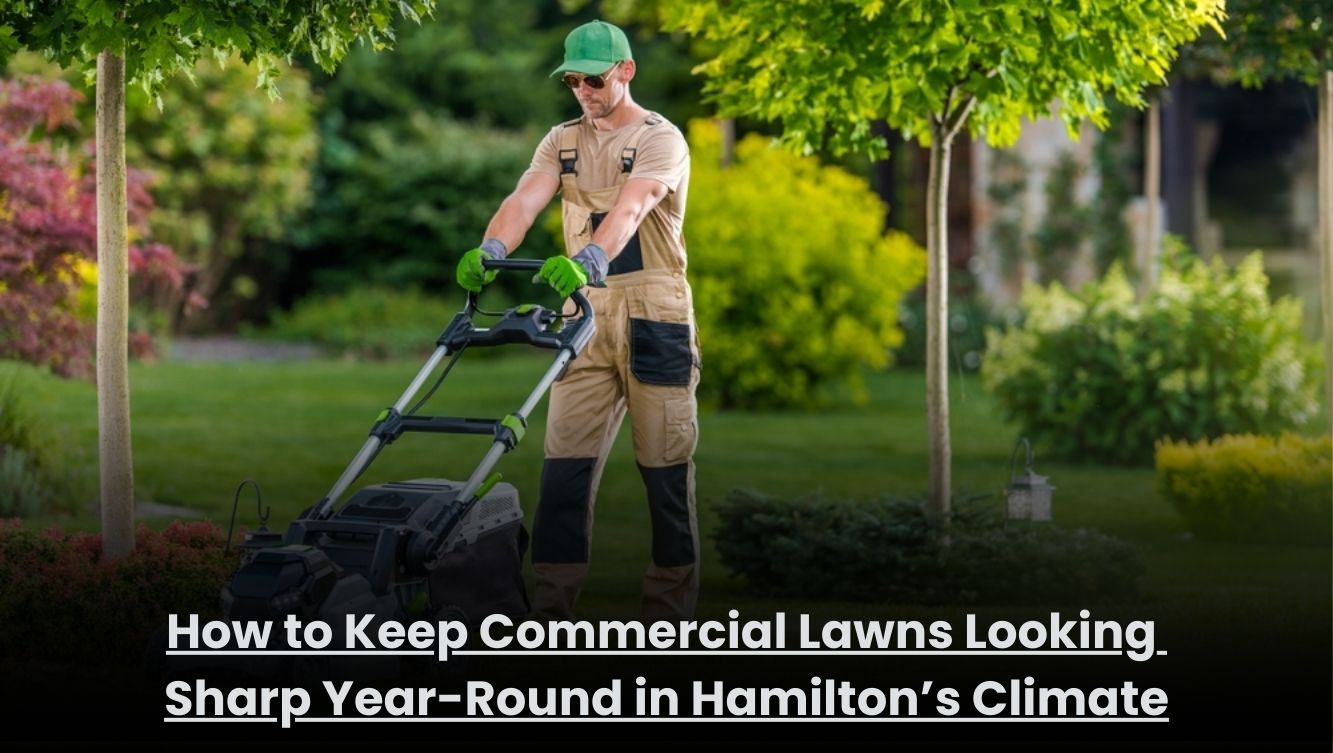
How to Keep Commercial Lawns Looking Sharp Year-Round in Hamilton’s Climate
If you manage a commercial property in Hamilton, you already know this: people judge a place before they step inside. I’ve seen it many times — a clean building with tired, patchy grass still feels neglected. On the other hand, a well-kept lawn instantly gives confidence. It tells clients, tenants, and visitors that the business cares about details.
Hamilton’s climate makes lawn care tricky. We get good rain, mild winters, humid summers, and sudden weather changes. Grass grows fast, weeds spread quicker, and neglect shows almost overnight. The good news? With the right approach, commercial lawns can stay neat, healthy, and professional all year.
In this guide, I’ll share practical, real-world tips that work in Hamilton conditions. These are the same principles used by experienced teams like Lawn Masters, who understand local soil, seasons, and commercial expectations.
Understanding Hamilton’s Climate and Its Impact on Lawns
Hamilton has a humid subtropical climate. That means steady rainfall, warm summers, and winters that don’t fully stop grass growth. Sounds great, right? Not always.
Because lawns grow for most of the year, problems don’t take a break either. Moss loves damp shaded areas. Weeds thrive in mild winters. Fungal issues can show up in humid months. Commercial lawns feel this more because of foot traffic, parking areas, and compacted soil.
I’ve noticed many businesses treat lawn care as a “summer task.” In Hamilton, that approach fails fast. Year-round care isn’t optional here — it’s essential.
Year-Round Mowing: More Than Just Cutting Grass
Most people think mowing is simple: cut the grass when it looks long. For commercial lawns, that mindset causes problems.
In summer, grass grows fast and needs regular mowing to keep it sharp and safe. Let it grow too long, then cut it short, and you stress the turf. In winter, growth slows but doesn’t stop. Skipping mowing completely can still leave lawns uneven and messy.
A consistent mowing schedule keeps grass thick, upright, and healthy. It also reduces weeds because dense turf leaves less room for them to grow.
Professional services follow mowing heights based on grass type and season, which is one of the biggest differences between DIY care and professional results.
Seasonal Lawn Feeding That Matches Local Growth Patterns
One mistake I see often is using the same fertilizer all year. Grass doesn’t eat the same way in every season.
In spring, lawns need nutrients to support new growth. Summer feeding helps grass handle heat and foot traffic. Autumn feeding strengthens roots before cooler months. Winter feeding, if done at all, must be light and careful.
Hamilton’s soil can lose nutrients quickly because of rainfall. If feeding isn’t planned properly, lawns look green for a few weeks and then fade again.
A simple seasonal feeding plan keeps lawns strong without forcing growth when conditions aren’t right.
Weed Control That Works Without Damaging Turf
Weeds don’t care if your lawn is outside an office, school, or retail centre.They spread anywhere there’s space.
In Hamilton, broadleaf weeds and invasive grasses can take over fast, especially in warmer months. Pulling them by hand rarely works on large areas. Spraying without knowledge can damage turf and leave brown patches that look worse than weeds.
The trick is timing. Treating weeds early, before they spread or seed, saves time and money. Strong, well-fed grass also naturally reduces weed problems.
This is where experienced commercial lawn care makes a difference. Teams who work on properties like business parks and apartment complexes know when to treat and when to wait.
Managing Drainage and Soil Compaction on Busy Sites
Commercial lawns deal with more pressure than residential ones. People walk across them, park near them, and sometimes drive over edges. Over time, soil becomes compacted.
Compacted soil holds water on the surface, leading to puddles, moss, and weak roots. In Hamilton’s wet conditions, poor drainage can destroy lawn quality quickly.
Aeration is often overlooked but makes a big difference. By opening up the soil, roots get air, water drains better, and grass grows stronger.
I’ve seen commercial lawns recover surprisingly fast after proper aeration combined with good feeding and mowing habits.
Keeping Lawns Presentable During Hot Summers
Summer is where many commercial lawns start to lose their clean look. Grass dries out, bare patches appear, and high foot traffic can quickly stress the turf.
The goal in summer isn’t deep green growth — it’s moisture control and damage prevention. Smart watering, slightly higher mowing heights, and resting worn areas help lawns stay healthy.
This is also the season to stay consistent. Lawns that are maintained properly through summer recover faster after heat stress, saving time and cost later.
Businesses that work with Lawnmasters often notice their lawns stay usable and neat even when nearby properties look dry and tired by late summer.
.
FAQs
1. How often should commercial lawns be mowed in Hamilton?
During summer, weekly mowing is ideal. In cooler months, mowing every 2–3 weeks usually works, depending on growth.
2.What is the 1/3 rule of mowing?
Perhaps you have also heard of something called the “1/3rd rule” of mowing -- that is, never remove more than 1/3rd of the leaf blade at any mowing event. Removing most of the foliage in a cutting event shocks the plant, forcing it to redirect its food resources from roots and stems towards new leaves.
3.What time can I legally mow my lawn in NZ?
Lawn mowing is acceptable during daylight hours. You should not start prior to 7am or after 10pm.
4. What is the rule for mowing?
Aim to mow regularly, so you only need to remove a small amount each time – never take off more than one-third of the grass height. As a general rule, aim to keep the grass at the following heights: 13–25mm (½–1in) in summer and up to 40mm (1½in) in spring and autumn for ordinary domestic lawns
Conclusion: A Sharp Lawn Reflects a Sharp Business
Keeping commercial lawns looking good in Hamilton isn’t about one big effort — it’s about steady, year-round care that suits the local climate.
When mowing is consistent, feeding matches the season, weeds are controlled early, and soil health is managed, lawns stay strong and professional. The result is a space that feels welcoming, safe, and well-managed every day of the year.
If you want your property to make the right first impression without extra stress, working with experienced local professionals is a smart move. A well-kept lawn doesn’t just look good — it quietly supports your business reputation.
